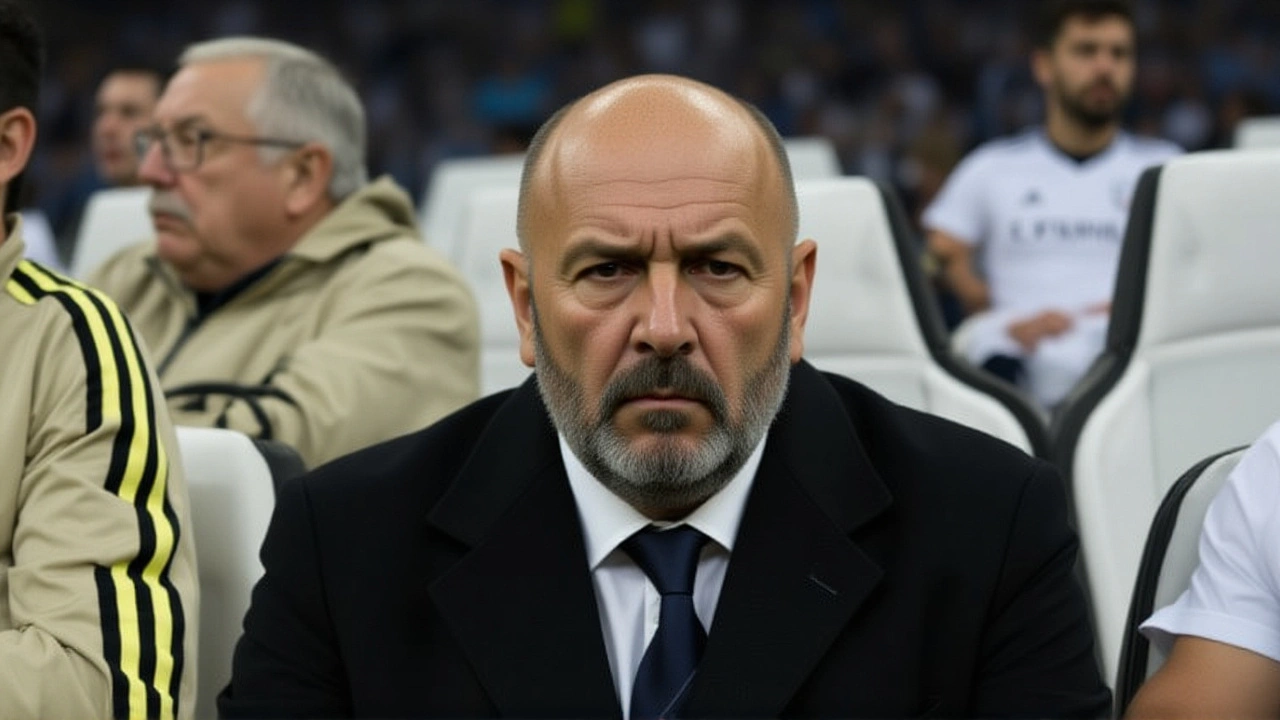
On a freezing Tuesday night inside the Arctic Circle, Juventus clawed their way to a 3-2 victory over Bodo/Glimt in a match that felt less like football and more like survival. The win, secured at Aspmyra Stadion in Bodø, Norway, on November 25, 2025, was their first in the 2025-2026 UEFA Champions League — and possibly the most consequential of the season. With five players sidelined and pressure mounting, head coach Luciano Spalletti threw his squad into a hostile, wind-swept arena where even the crowd’s roar felt like it came from another world.
Pressure Cooker in the Arctic
The stakes couldn’t have been higher. Days before kickoff, the Bianconeri Zone YouTube channel laid it bare: "If Juventus fail to win, their entire European campaign could collapse." That wasn’t hype — it was arithmetic. A loss would have left them third in the group, teetering on the edge of elimination. Even a draw might have been fatal. The Norwegian side, fresh off a 2-0 home win over Real Sociedad earlier in the group stage, had already proven they could outthink and outpace Europe’s elite on their icy pitch. And now, they had the wind, the cold, and 10,000 roaring fans behind them.The Squad That Almost Wasn’t
Juventus’ official squad list, released on November 24, 2025, included 22 names — but the absence of five players loomed larger than the ones who played. The club didn’t name them, but sources close to the dressing room later confirmed that key midfielder Adrien Rabiot and starting center-back Danilo were both sidelined with lingering muscle issues. Goalkeeper Wojciech Szczęsny, still recovering from a shoulder injury, was also out. The uncertainty created a ripple effect: Spalletti was forced to shuffle his backline and rely on youth. That meant 20-year-old Fabio Miretti started in central midfield, while Samuel Iling-Junior and Enzo Barrenechea — both under 21 — formed the new left-back pairing. The attack, meanwhile, was a mix of firepower and frustration. Lois Openda started up front, fresh off a goal drought that had fans questioning his fit in Spalletti’s system. Kenan Yıldız, the 19-year-old Turkish prodigy, was again under scrutiny. "He hasn’t delivered a high level performance in quite some while," Spalletti admitted in a pre-match presser. "But it’s up to the group to overshadow that."The Match: Chaos, Cold, and Comebacks
The game began like a storm. Bodo/Glimt pressed high, their short passes slicing through Juventus’ midfield like ice knives. By the 18th minute, they were ahead — a quick counter finished by Sondre Brunstad Fet after a defensive mix-up. Juventus responded with urgency. Francisco Conceição equalized in the 32nd minute with a curler from the edge of the box, his first goal in six matches. Then came the disallowed goal. In the 41st minute, Miretti burst into the box, received a pass from Weston McKennie, and slotted it past the keeper. The net bulged. The bench erupted. The referee’s assistant raised his flag. Offside. Replays showed it was a marginal call — barely a toe over. The frustration was palpable. The second half was a war of attrition. Bodo/Glimt, undeterred, kept pushing. And in the 78th minute, they got their reward: a penalty awarded after a handball by Pierre Kalulu. Fet stepped up again — cool as ice — and leveled it 2-2. The stadium exploded. The Juventus bench sat silent. The Arctic wind howled. Then, in the 84th minute, Lois Openda did what he hadn’t done all season: he delivered. A cross from Filippo Fuscaldo found him unmarked at the far post. One touch. One finish. 3-2.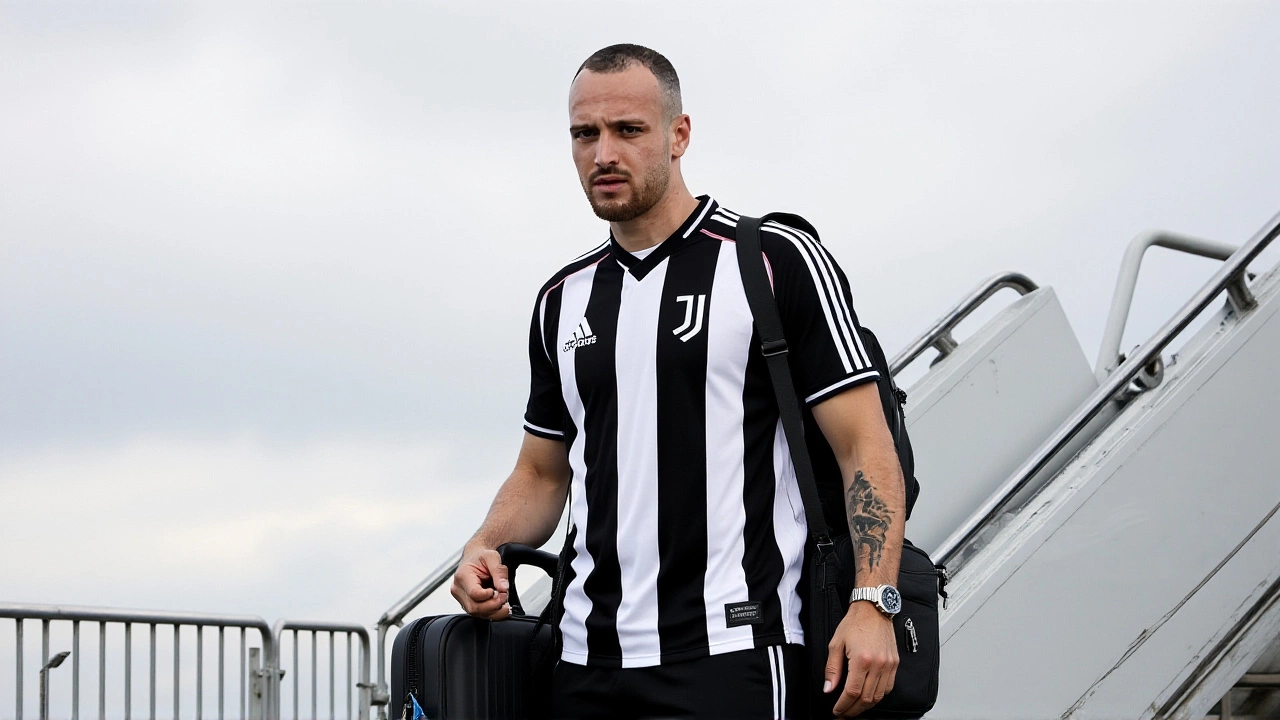
Spalletti’s Message: "Happy and Relaxed Faces"
After the final whistle, Spalletti didn’t celebrate wildly. He looked exhausted. But he smiled. "The team played an open and attacking game, which was a struggle at times," he told Sky Sport Italia. "Bodo/Glimt play with really impressive passing and speed of thought on this pitch — it had rather intimidated us looking at their previous home matches. But we held our nerve. I saw happy and relaxed Juventus faces. That’s what matters." Openda, meanwhile, spoke with quiet pride. "It’s not about me. It’s about the group. We knew we had to win. We did. That’s all that counts."What This Means for Juventus
The win lifted Juventus to second in Group E with 7 points, just one behind leaders RB Leipzig. But more than the standings, it restored belief. For months, the narrative had been one of stagnation: too many injuries, too much reliance on Vlahović, too little cohesion. This match didn’t fix everything — Miretti’s youth still showed in his positioning, and the defense remains shaky. But it proved something vital: that this team, under pressure, can still fight. The next match? A home clash against RB Leipzig on December 10. Win that, and qualification becomes likely. Lose, and the pressure returns — tenfold.
Behind the Scenes: The Arctic Test
Few teams in Europe have played a Champions League match this far north. The conditions were brutal: -4°C with wind chill, snow flurries, and a pitch that turned slick in patches. Players reported numb fingers, stiff muscles, and difficulty controlling the ball. "It’s like playing on glass," said Kalulu post-match. "You think you’ve got it, and then it just slides away." Bodo/Glimt’s home advantage wasn’t just psychological — it was environmental. Their players train in these conditions year-round. Juventus? They’d last played in sub-zero weather in 2019, in a friendly in Russia. This was a different kind of challenge.Frequently Asked Questions
Why were five Juventus players unavailable, and why wasn’t the list released?
Juventus did not publicly name the five players sidelined for the match, citing medical privacy. However, multiple Italian media outlets confirmed that Adrien Rabiot, Danilo, and Wojciech Szczęsny were out due to muscle and shoulder injuries, with two others — likely younger squad members — resting after recent fixtures. Clubs often withhold such details to avoid giving tactical insight to opponents.
How did Bodo/Glimt manage to compete so well against Juventus?
Bodo/Glimt, a club from Norway’s Arctic north, plays a high-intensity, possession-based style honed over years in Norway’s demanding weather. Their coach, Ole Gunnar Solskjær’s former assistant, has implemented a pressing system that disrupts buildup play. They’ve already beaten Real Sociedad and drawn with Sevilla this season. Their home record in Europe is unbeaten since 2023, and their players are uniquely adapted to the physical and environmental conditions.
Is Kenan Yıldız in danger of losing his place at Juventus?
Yıldız started the match but was substituted at the 63rd minute after a quiet performance. Spalletti has publicly acknowledged his struggles, but also defended him, saying "he’s still developing." With Francisco Conceição and Lois Openda performing well, and 18-year-old Nemanja Adžić emerging as a promising alternative, Yıldız’s minutes are under pressure. He’s not out of favor — but he needs to deliver soon.
What’s next for Juventus in the Champions League?
Juventus face RB Leipzig at home on December 10, 2025 — a must-win game if they want to secure top-two qualification. A draw or loss could leave them needing a miracle against Sevilla in their final match. With only two games left, every point matters. The team now has momentum, but the schedule doesn’t get easier: Serie A fixtures against Napoli and Inter loom just days after the Leipzig match.
Why was Fabio Miretti given such a big role in such a crucial match?
With Rabiot and other midfielders injured, Spalletti had no choice but to trust youth. Miretti, 20, has shown flashes of brilliance in cup games but lacked consistency in Serie A. This was a test — and while he made errors, his energy and passing range were vital. The coach later praised his "courage," signaling he’s still in long-term plans. This wasn’t just about winning — it was about shaping the future.
How rare is it for a Champions League match to be played this far north?
Extremely rare. Aspmyra Stadion is the northernmost stadium to host a Champions League match since 2009, when FC Zenit played in Russia. Only five European clubs operate north of the Arctic Circle. Bodo/Glimt’s home games are among the most logistically challenging in European football, with travel, weather, and pitch conditions all posing unique hurdles. This match was historic — not just for the result, but for its location.